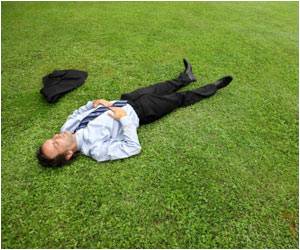
Erectile dysfunction, which typically focus on a man’s inability to have sex, has a more devastating issue that could be behind having difficulty maintaining an erection - heart disease, researchers say.
Research has connected erectile dysfunction with heart disease in men between the ages of 30 to 60 for years, but it is still not commonly known among the public.
“You hear about men who pass away from heart disease and their wives find Viagra [in their belongings] and they didn’t even know they had a problem,” the Huffington Post quoted Dr. Kevin Billups from Johns Hopkins Hospital’s Integrative Men’s Health Program as saying.
According to doctors, for many men experiencing erectile dysfunction is the first signal of risk factors which, if unchecked, can lead to heart disease.
“The likelihood of having heart disease at some point is two to three times higher in those who have ED than those who don’t,” Dr. Mehdi Shishehbor, a cardiology specialist at Cleveland Clinic, said.
The question that needs to be answered is why would a problem affecting your penis signal a larger problem with your heart?
“The penile arteries are much smaller than the arteries that supply blood to the heart, brain or lower extremities, and will block faster, Dr. Billups said.
“Erectile dysfunction will often appear as a symptom years before the heart attack. The other reason is that the penis is more sensitive [than other organs] to early changes associated with increased risk of heart disease, such as inflammation and oxidative stress,” he said.
Coronary heart disease occurs when the arteries around the heart harden and narrow, making it more difficult for much-needed blood to reach the heart muscles.
A number of variables including high cholesterol, hypertension, smoking and diabetes cause this hardening, which can lead to chest pain or even a heart attack.
“The same process can happen in the pelvis,” Dr. Shishehbor said.
“The same risk factors that apply to coronary artery disease are the same risk factors that apply to blockages in the penis. Over the years blockages form and prevent blood from getting to the penis. In order to get an erection we need blood flow to the penis.
“As you age and if you don’t take care of your risk factors -- if you smoke, don’t eat healthy, don’t control your blood pressure.
“Those things can lead to the same process that leads to blockages in the heart and can cause blockages in the penis,” Shishehbor added.
Source:ANI
ANI
 Junk food may trigger a chemical change in the brain and going on a low-fat diet could lead to withdrawal symptoms, including depression and anxiety, a new study reveals. Researchers led by Stephanie Fulton at University of Montreal conducted the study on two groups of mice, one of which was given a high fat diet while the second group was made to eat a healthy diet.researchers found that the mice from the first group displayed signs of anxiety and had higher levels of stress hormone, corticosterone.
“By working with mice, whose brains are in many ways comparable to our own, we discovered that the neurochemistry of the animals who had been fed a high-fat, sugary diet was different from those who had been fed a healthy diet. The chemicals changed by the diet are associated with depression. A change of diet then causes withdrawal symptoms and a greater sensitivity to stressful situations, launching a vicious cycle of poor eating”, Fulton said.
Source: University of Montreal
 A new study suggests that there is a significant correlation between excessive daytime sleepiness and vitamin D, and race plays an important factor.
Results show that in patients with normal vitamin D levels, progressively higher levels of daytime sleepiness were correlated inversely with progressively lower levels of vitamin D. Among patients with vitamin D deficiency, sleepiness and vitamin D levels were associated only among black patients. Surprisingly, this correlation was observed in a direct relationship, with higher vitamin D levels associated with a higher level of sleepiness among black patients.hile we found a significant correlation between vitamin D and sleepiness, the relationship appears to be more complex than we had originally thought," said David McCarty, MD, the study's principal investigator. "It's important to now do a follow-up study and look deeper into this correlation." The study, appearing online in the Dec. 15 issue of the Journal of Clinical Sleep Medicine, involved a consecutive series of 81 sleep clinic patients who complained of sleep problems and nonspecific pain. All patients eventually were diagnosed with a sleep disorder, which in the majority of cases was obstructive sleep apnea. Vitamin D level was measured by blood sampling, and sleepiness was determined using the Epworth Sleepiness Scale.
According to the authors, this is the first study to demonstrate a significant relationship between sleepiness and vitamin D. They noted that it is logical for race to affect this relationship because increased skin pigmentation is an established risk factor for low vitamin D.
The study was not designed to examine causality. However, the authors' previous and current research suggests that suboptimal levels of vitamin D may cause or contribute to excessive daytime sleepiness, either directly or by means of chronic pain.
Source- Journal of Clinical Sleep Medicine
 More than 25 percent of Indian men living in urban areas suffer from low testosterone levels due to unhealthy lifestyle. In most cases the condition go undiagnosed due to lack of awareness, according to experts.
'Male Hypogonadism' affects 26.1 percent of the working population of Indian men and is caused by unhealthy lifestyle, including smoking, consuming alcohol and junk food, high stress levels etc. The hormone plays a key role in masculine growth and development during puberty.cording to doctors, symptoms include decreased libido, impaired erectile function, muscle weakness, fatigue and depression. "It is an established clinical condition in medicine and in India the numbers are rising drastically over the years. However, many patients with this disorder go undiagnosed," Ajit Saxena, senior consultant urologist and andrologist, Apollo Indraprastha Hospitals, told IANS.
"There is a clear need to increase the awareness of hypogonadism with the rising evidence suggesting a rise in the prevalence of the disorder in working population of Indian men," he added.
Sadly, not many general physicians are aware of this disorder. Hence, the lack of awareness coupled with inhibition on the part of the patient to discuss his sexual health, results in the patient failing to get diagnosed.
"Patients and doctors both need not shy away from issues related to sexual health. Moreover, India needs to develop guidelines that are tailored for the Indian patients," Shalender Bhasin, MD, professor of medicine at Boston University School of Medicine said.
Source-IANS
 A study has listed outdoor air pollution as one of the top ten killers in the world. The study further adds that 65 percent of the air pollution deaths occurs in Asia and close to quarter of this in India.
Outdoor air pollution has been listed as one of the top ten killers in the world, with 65 percent of the air pollution deaths occurring in Asia and close to quarter of this in India, according to a study released Friday.obal Burden of Disease (GBD) count, a global initiative involving the WHO, tracks deaths and illnesses from all causes across the world.
According to the study, in south Asia, outdoor air pollution is ranked as the sixth-most dangerous killer. It is now three places behind indoor air pollution, which is the second-highest killer in this region.
Air pollution causes 3.2 million deaths worldwide.
This has increased from 800,000, last estimated by GBD in the year 2000 - a whopping 300 percent increase.
"In the year 2000, GBD assessments had reported a much smaller air pollution-related burden of disease. The new estimates of particulate air pollution are based on ground-level measurements, satellite remote sensing and global chemical transport models to capture population exposure," it said.
In South Asia, air pollution has been ranked just below blood pressure, tobacco smoking, indoor air pollution, poor intake of fruits and diabetes, as the cause of the largest number of deaths.
The new GBD estimates over 2.1 million premature deaths and 52 million years of healthy life lost in 2010 due to fine particle air pollution in Asia, which is two-thirds of the burden worldwide.
Centre for Science and Environment (CSE) expressed deep shock at the findings and called for making national ambient air quality standards legally binding on each region.
"The GBD count on air pollution and its health risks must trigger urgent, aggressive and most stringent action in India to curb air pollution to protect public health. India cannot afford to enhance health risk at a time when much of its economic growth and motorization are yet to happen," said Anumita Roychowdhury, CSE's air pollution unit head.
The latest GBD results have been produced by a rigorous scientific process involving over 450 global experts and partner institutions including the Institute of Health Metrics and Evaluation, the World Health Organization, the University of Queensland, Australia, Johns Hopkins University, Harvard University and the Health Effects Institute.
Source-IANS
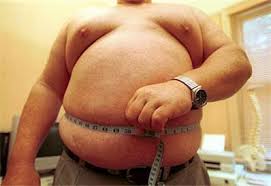 Losing weight not just improves your health but it might actually help to improve your sleep quality!
According to a recent study carried out by researchers from Johns Hopkins University in the U.S, it was found that people who lost a stone in weight, and reduced about 15 percent of their waistline, slept much better while overweight individuals continue to have sleep-related issues besides various other problems.
e study was carried out on 77 people who were overweight or obese and had either type 2 diabetes or pre-diabetes, who were then randomly assigned to one of two groups. One group participated in exercise training and went on a diet while the other group just followed a diet.
The participants were required to fill out a questionnaire on sleep survey at the start and end of the study to identify sleep problems, including sleep apnea, insomnia, daytime fatigue, restless sleep, excessive sleep or sleepiness. They were also required to mention if they required sedatives to help them sleep. The body mass index and abdominal fat of the subjects were measured at the start and end of the survey.
On an average, both groups lost about 15lb of weight; they also lost about the same amount of abdominal fat which was measured with the help of magnetic resonance imaging (MRI). Also, there was an improvement in the sleep score of both the groups by 20%. Although a variety of sleep problems were reported by both the groups but no single problem was projected prominently.
Kerry Stewart, Professor of Medicine at the Johns Hopkins University School of Medicine and Director of Clinical and Research Exercise Physiology said that an improvement in sleep quality was discovered to be associated with weight loss in general and loss of belly fat in particular. She added that good sleep is vital for optimal physical and mental health, as well as for the proper functioning of the heart. Lack of proper sleep has been linked to high blood pressure, heart attack and stroke.
It is a well known fact that obese individuals are known to suffer from sleep-related problems. It is therefore important to maintain an optimum weight and this can be brought about by adopting a healthy lifestyle, which includes regular exercising and a healthy diet.
Source:Johns Hopkins University
 Parliament was informed Monday that Government laboratories are engaged in developing customized yoga packages for Indian armed forces.
Defence Minister A.K. Antony identified these laboratories as the Defence Institute of Physiology and Allies Sciences (DIPAS) and the Institute of Nuclear Medicine and Allied Sciences (INMAS).
Parliament was informed Monday that Government laboratories are engaged in developing customized yoga packages for Indian armed forces.
Defence Minister A.K. Antony identified these laboratories as the Defence Institute of Physiology and Allies Sciences (DIPAS) and the Institute of Nuclear Medicine and Allied Sciences (INMAS).
Both work under the Defence Research and Development Organization (DRDO).
"These laboratories are primarily focussed on military physiology and radiation biology which includes human performance and enhancement under different environments," the minister said in a written statement.
They also work for enhancing the health of military personnel through radiation science approach, he said.
"These R&D endeavours also include research on herbal medicines and yoga for improving health and performance of soldiers in extreme environments as these formulations are safer," Antony said.
The institutes were also engaged in research on herbs growing in harsh climatic and high altitude environments to develop herbal based formulation for troops.
Source-IANS
 Erectile dysfunction, which typically focus on a man’s inability to have sex, has a more devastating issue that could be behind having difficulty maintaining an erection - heart disease, researchers say.