CURRENT ISSUE
Watch Online the Live Sessions of ISWWTA 2015 Rishikesh on Youtube.Visit:https://www.youtube.com/user/ayushdarpan/
Previous issues of AYUSH DARPAN in Hindi is now available online visit:http://ayushdarpan.org

Search Engine

Tuesday, 18 February 2014

Key to Living Longer Lies in Regular Exercise and Social Contact

 Key to Living Longer Lies in Regular Exercise and Social ContactSocial contact and regular exercise are key to healthy and happy aging and living a longer life, according to newly presented research.            
In fact, feeling extremely lonely can increase an older person's chances of premature death by 14 percent, an impact nearly as strong as that of a disadvantaged socioeconomic status, according to John Cacioppo, psychology professor at the University of Chicago.

He noted that a meta-analysis of several studies published in 2010 showed that social isolation had twice the impact on the risk of death as obesity.

Cacioppo presented the findings Sunday at an annual conference in Chicago of the American Association for the Advancement of Science.

The research carried out on a group of 20,000 people revealed adverse health effects of feeling alone, including sleep problems, high blood pressure, impaired immune cells and depression.

"Retiring to Florida to live in a warmer climate among strangers is not necessarily a good thing if it means you are disconnected from people who mean the most for you," Cacioppo said.

Often, loneliness is accompanied by a sedentary lifestyle, which can significantly weaken one's health.

Simple exercise such as walking regularly at a good pace can't just cut the risk of cardiovascular and Alzheimer's disease by 50 percent -- it can also clearly slow down the normal aging process of an older person's brain, Kirk Erickson of the University of Pittsburgh told AFP.

At the conference, the assistant professor of psychology presented new details of a study published in 2011 that involved 120 people aged 65 and older.


- Older brain 'highly modifiable' -


With age, the brain shrinks, he said. Physical activity, however, helps improve its overall functioning and, in particular, increases the volume of the hippocampus by 2 percent, which reverses cerebral aging by one to two years and boosts mental capacities.

"For one, this research has demonstrated the brain remains highly modifiable late in adulthood," Erickson said.

"Even though the brain shrinks and declines tend to happen it does not seem to be as inevitable ... and exercise seems to be a great way to take advantage of this natural capacity for brain plasticity."

What's more, it's apparently not necessary to do a lot of exercise to get that result -- a "modest amount" is all it takes, he said.

However, he acknowledged, "there is still a lot to learn. We don't really know very much about how much is exactly needed."

"Even though we have learned a lot I have to say we still have a long way to go," he added.

"But that being said, physical activity seems to be one of the most promising approaches for positively influencing brain health in late adulthood."

According to the Pew Research Center, the baby boomer generation began to turn 65 on January 1, 2011, with 10,000 doing so each day until 2030, said Cacioppo.

"This has been called the silver tsunami," he said.

Some see an aging population as inevitably one with greater dementia and poor health, as predicted 15 to 20 years ago, he added.

"But in fact we see a decline in disability rather than an increase in part because" of medical advances and people "starting to take better cares of themselves."

Still, a sedentary lifestyle rather than one filled with physical activity is the norm in old age, he said.

"But we have new information about how to better age."
Source:AFP


Sunday, 16 February 2014

News Video:Why does the brain remember dreams?

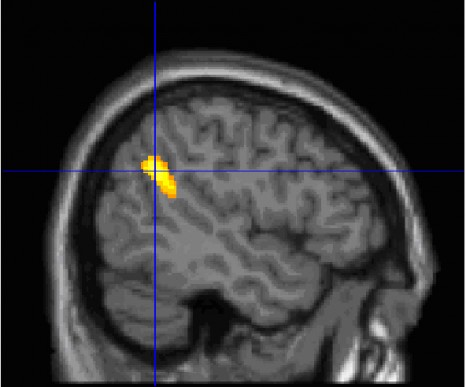
Jonction-temporo-parietalSome people recall a dream every morning, whereas others rarely recall one. A team led by Perrine Ruby, an Inserm Research Fellow at theLyon Neuroscience Research Center (Inserm/CNRS/Université Claude Bernard Lyon 1), has studied the brain activity of these two types of dreamers in order to understand the differences between them. In a studypublished in the journal Neuropsychopharmacology, the researchers show that the temporo-parietal junction, an information-processing hub in the brain, is more active in high dream recallers. Increased activity in this brain region might facilitate attention orienting toward external stimuli and promote intrasleep wakefulness, thereby facilitating the encoding of dreams in memory.The reason for dreaming is stilla mystery for the researchers who study the difference between “high dream recallers,” who recall dreams regularly, and “low dream
recallers,” who recall dreams rarely. In January 2013 (work published inthe journal Cerebral Cortex),
the team led by Perrine Ruby, Inserm researcher at the Lyon Neuroscience Research Center, made the following two observations: “highdream recallers” have twice as many time of wakefulness during sleep as“low dream recallers” and their brains are more reactive to auditory
stimuli during sleep and wakefulness. This increased brain reactivity may promote awakenings during the night, and may thus facilitate memorisation of dreams during brief periods of wakefulness.
In this new study, the research team sought to identify which areas of the brain differentiate high and
low dream recallers. They used Positron Emission Tomography (PET) to measure the spontaneous brain activity of 41 volunteers during wakefulness and sleep. The volunteers were classified into 2 groups: 21 “high dream recallers” who recalled dreams 5.2 mornings  perweek in average, and 20 “low dream recallers,” who reported 2 dreams per month in average. High dream recallers, both while awake and while asleep, showed stronger spontaneous brain activity in the medial prefrontal cortex (mPFC) and in the temporo-parietal junction (TPJ), an area of the brain involved in attention orienting toward external stimuli.
This may explain why high dream recallers are more reactive to environmental stimuli, awaken more during sleep, and thus better encode dreams in memory than low dream recallers. Indeed thesleeping brain is not capable of memorising new information; it needs to awaken to be able to do that,”explains Perrine Ruby, Inserm Research Fellow.The South African neuropsychologist Mark Solms had observed in earlier studies that lesions in these two brain areas led to a cessationof dream recall.  The originality of the French team’s results is to show brain activity differences between high and low dream recallers during sleep and also during wakefulness.“Our results suggest that high and low dream recallers differ in dream  memorization, but do not exclude that they  also differ in dream production. Indeed, it is possible that high dream recallers produce a
larger amount of dreaming than low dream recallers”
concludes the research team.

Video subtitle  will soon available in English

Immune System in Newborn Lungs Different from That in Adults

 Immune System in Newborn Lungs Different from That in AdultsNewborns are more susceptible to infections maybe due to their immature and inexperienced immune systems. The most common dangerous condition in newborns and infants are lower respiratory tract infections caused by viruses, especially respiratory syncytial virus (RSV). A study published on February 13th in PLOS Pathogens shows how the immune system in the lungs during early life differs from the one in older children and adults.
Ideally, newborns could be protected against RSV by vaccination, but it is known that the immune system in early life is less responsive to "conventional" vaccines. Barney Graham and colleagues, from the US National Institute of Allergy and Infectious Diseases, are working on understanding the early immune system in order to develop effective vaccines for newborns and infants.

The immune response to virus infection in the lung involves mobile immune cells called dendritic cells (or DCs). After contact with a viral intruder, the DCs move into adjacent lymph nodes where they activate another type of immune cell, called CD8+ T cells, and thereby orchestrate a massive, body-wide, virus-specific attack. Graham and colleagues studied the behavior of these lung DCs in newborn mice and compared it with that in older animals.

They found that the lung DC responses following RSV infection undergo dramatic changes during the first weeks of life. One of the two subsets active in adults was present in low numbers and functionally limited in newborn mice. The second subset, called CD103+ DCs, is present in similar numbers in newborn and adults after virus infection. Following migration to the lymph nodes, CD103+ DCs initiate CD8+ T cell responses. However, when newborn CD103+ DCs and CD8+ T cells interact, the results are very different from the same interaction in older mice.

Depending on the age of the mice at the time of RSV infection, the CD103 DCs activate different subsets of CD8+ T cells. This suggests that DCs from newborns take up, digest, and present parts of an intruding virus to other immune cells in a fundamentally different way than in adults. In addition, the researchers found that CD103+ DCs from newborn mice have much lower expression of two critical "co-stimulatory" molecules (called CD80 and CD86) on their surface. These co-stimulators directly interact with a counterpart (called CD28) on the CD8+ T cells and in doing so boost the immune response, something that is severely impaired in neonatal mice. Dampening CD28-mediated stimulation in adult mice demonstrated that limited CD28-mediated co-stimulatory support from neonatal DCs may constitute one mechanism by which newborn and adult DCs induce distinct CD8+ T cell responses.

"A better understanding of deficiencies in early-life immunity will guide vaccine approaches that induce disease-sparing immune responses in infants", the researchers say. "Our data suggest that the CD80/CD86-CD28 axis may be exploited in the design of pediatric vaccines to promote the generation of more "adult-like" immune responses".
 Source:PLOS Pathogens
 

Scientific Validation of Anti-Diabetes Ayurvedic Medicines Begins in Kerala

An official revealed that CARe Keralam, which recently scientifically validated the anti-diabetes ayurvedic formulation Nishaakathakaadhi Kashayam (NKK) thus facilitating its sale abroad, is going ahead with the same process for other products too.
Scientific Validation of Anti-Diabetes Ayurvedic Medicines Begins in KeralaLed by Adrian V. Bell, researchers from the University of California Davis used a mathematical equation, called the Price equation, which describes the conditions for altruism to evolve.

The equation motivated the researchers to compare the genetic and the cultural differentiation between neighbouring social groups.

The researchers used previously calculated estimates of genetic differences, and the World Values Survey (whose questions are likely to be heavily influenced by culture in a large number of countries) as a source of data to compute the cultural differentiation between the same neighbouring groups.

When compared, it was found that the role of culture had a much greater scope for explaining our pro-social behaviour than genetics.

In applying their results to ancestral populations, the World Values Survey was less useful.

But ancient cultural practices, such as exclusion from the marriage market, denial of the fruits of cooperative activities, banishment and execution happen now as they did then.

Such activities would have exerted strong selection against genes tending toward antisocial behaviour, and presumably in favour of genes that predisposed individuals toward being pro-social rather than anti-social.

This would result in the gene-culture coevolution of human prosocial propensities.

Source:The study has been published in the latest edition of Proceedings of the National Academy of Sciences.


Five-Fold Growth in Ayurveda Targeted by Kerala

 Five-Fold Growth in Ayurveda Targeted by KeralaA Kerala government official has said that the two-day International Business Meet (IBM) on Ayurveda being held at Kochi next week is expected to bring a five-fold increase in the state's share.
"At present, the Indian ayurveda industry is worth Rs.10,000 crore of which Kerala's contribution is about Rs.1,000 crore. We are aiming for a five-fold rise in the state's share by 2020," said Aruna Sundarajan, managing director of the state-owned Kerala State Industrial Development Corporation.

The event beginning here Friday will be the meeting point of key stake-holders from the industry to evolve a road map for harnessing the global opportunities in the ayurveda business.

About 4,000 delegates from 22 countries, including ministers, top officials and CEOs will attend.

The meet is being organised as part of the Global Ayurveda Festival 2014.

"We see IBM as a platform to showcase this strength of ayurveda before the business and entrepreneurial community and take ayurveda to the global level," said Sundararajan.

The technical sessions at the IBM will cover export promotion, products, services, wellness, research, education, quality standards, financial and other support systems and medicinal plants cultivation.

Representatives from Singapore, Italy, Russia, the United Arab Emirates, Kazakhstan, Nigeria, the Philippines and Sri Lanka will make presentations on the opportunities in their respective countries.


Kindness Has Cultural Roots, Not Genetic

 Kindness Has Cultural Roots, Not GeneticIt is not the genes that make a person to go for blood donation or enrol for the army, for researchers have now attributed such self-sacrificing attitude to socially learned behaviour rather than an inherent trait. which describes the conditions for altruism to evolve.

The equation motivated the researchers to compare the genetic and the cultural differentiation between neighbouring social groups.

The researchers used previously calculated estimates of genetic differences, and the World Values Survey (whose questions are likely to be heavily influenced by culture in a large number of countries) as a source of data to compute the cultural differentiation between the same neighbouring groups.

When compared, it was found that the role of culture had a much greater scope for explaining our pro-social behaviour than genetics.

In applying their results to ancestral populations, the World Values Survey was less useful.

But ancient cultural practices, such as exclusion from the marriage market, denial of the fruits of cooperative activities, banishment and execution happen now as they did then.

Such activities would have exerted strong selection against genes tending toward antisocial behaviour, and presumably in favour of genes that predisposed individuals toward being pro-social rather than anti-social.

This would result in the gene-culture coevolution of human prosocial propensities.

The study has been published in the latest edition of Proceedings of the National Academy of Sciences.
 Source:National Academy of Sciences.


Mystery of 'missing' Genetic Risk Decoded

Study results may help us solve an important riddle- why research to look for the genetic causes of common diseases has failed to explain more than a fraction of the heritable risk of developing them.Susceptibility to common diseases is believed to arise through a combination of many common genetic variants that individually slightly increase the risk of disease, plus a smaller number of rare mutations that often carry far greater risk.
 However, even when their effects are added together, the genetic variants so far linked to common diseases account for only a relatively small proportion of the risk we know is conveyed by genetics through studies of family history.But the major new study, published today (Thursday) in the journal PLOS Genetics, shows for the first time in cancer that some common genetic variants could actually be indicators of the presence of much more influential rare mutations that have yet to be found.

Scientists at The Institute of Cancer Research, London, led an international consortium made up of more than 25 leading academic institutions on the study, which was funded by the European Union.The research, involving 20,440 men with prostate cancer and 21,469 without the disease, identified a cluster of four common genetic variants on chromosome 17 that appeared to give rise to a small increase in prostate cancer risk, using the standard statistical techniques for this type of study.

But the study found an alternative explanation for the risk signal - a small proportion of the men with these common variants were in fact carriers of a rare mutation in the nearby HOXB13 gene, which is known to be linked to prostate cancer. Under this 'synthetic association', the number of people carrying a cancer risk variant was much lower than had been assumed, but those people who did inherit a variant had a much higher risk of prostate cancer than had been realised.

The discovery shows that the prevailing genetic theory - that common cancers are predominantly caused by the combined action of many common genetic variants, each with only a very small effect - could potentially underestimate the impact of rare, as yet undiscovered mutations.The results are important because they show that there is a need for renewed effort by geneticists to find the causal variants, whether common or rare, behind the many common cancer-associated variants identified in recent years.Identifying any underlying rare mutations with a big effect on disease risk could improve the genetic screening and clinical management of individuals at greater risk of developing cancer, as well as other diseases.

Study co-leader Dr Zsofia Kote-Jarai, Senior Staff Scientist at The Institute of Cancer Research (ICR), said: "As far as we are aware, this is the first known example of a 'synthetic association' in cancer genetics. It was exciting to find evidence for this theory, which predicts that common genetic variants that appear to increase risk of disease by only a modest amount may indeed sometimes be detected purely due to their correlation with a rarer variant which confers a greater risk.

"Our study does not imply how widespread this phenomenon may be, but it holds some important lessons for geneticists in cancer, and other common diseases. It demonstrates the importance of identifying the causal genetic changes behind the many common variants that have already been shown to influence risk of disease."Our study also demonstrates that standard methods to identify potential causal variants when fine-mapping genetic associations with disease may be inadequate to assess the contribution of rare variants.

Large sequencing studies may be necessary to answer these questions unequivocally."Study co-leader Professor Ros Eeles, Professor of Oncogenetics at The Institute of Cancer Research and Honorary Clinical Consultant at The Royal Marsden NHS Foundation Trust, said: "One important unanswered question in cancer genetics - and in genetics of common disease more generally - is why the genetic mutations we've discovered so far each seem to have such a small effect, when studies of families have shown that our genetic make-up has a very large influence on our risk of cancer."Our study is an important step forward in our understanding of where we might find this 'missing' genetic risk in cancer. At least in part, it might lie in rarer mutations which current research tools have struggled to find, because individually each does not affect a large number of people."
  Source:The Institute of Cancer Research (ICR)PLOS Genetics/

Facebook Badge

PAGE COUNTER